
How Preventable Is Dementia: What Neurologists Have To Say About Reducing Risk
By Dr. HK’s Neuro and Parkinson’s Clinic, Bangalore
Dementia, a syndrome characterized by progressive decline in cognitive function, is a growing global health challenge. Neurologists emphasize that a significant portion of dementia cases may be preventable or delayed through modifiable lifestyle and health interventions.
Can Dementia Be Prevented?
Recent research suggests that up to 40-45% of dementia cases could be prevented or postponed by addressing key risk factors throughout life. This highlights the importance of a proactive approach to brain health at all ages.
Major Modifiable Risk Factors
Neurologists identify several modifiable risk factors that influence dementia risk significantly:
- Cardiovascular Health: Hypertension, high cholesterol, obesity, and diabetes increase dementia risk by affecting brain blood flow and promoting neurodegeneration. Controlling these through diet, exercise, and medication is vital.
- Smoking and Alcohol: Tobacco use substantially raises Alzheimer’s disease risk while excessive alcohol consumption contributes to cognitive decline.
- Physical Inactivity: Regular physical activity improves blood circulation, reduces inflammation, and promotes neuroplasticity, all protective against dementia onset.
- Hearing Loss: Untreated hearing impairment is linked to social isolation and cognitive decline, making hearing aids an important preventive tool.
- Mental and Social Engagement: Lifelong education, social interactions, and cognitive activities build “cognitive reserve” that delays symptom appearance even in the presence of brain pathology.
- Depression and Mental Health: Managing mood disorders lowers dementia risk, emphasizing integrated care for emotional well-being.
- Traumatic Brain Injury: Preventing head injuries via safety measures can reduce future dementia possibilities
The Lifelong Approach
Neurologists stress that dementia prevention is a life-course endeavor:
- Early life: Education and cognitive development enhance brain reserve.
- Midlife: Managing vascular risk factors and lifestyle helps maintain brain health.
- Late life: Staying socially and mentally active and addressing sensory deficits are crucial.
Role of Neurologists and Dr. HK’s Clinic
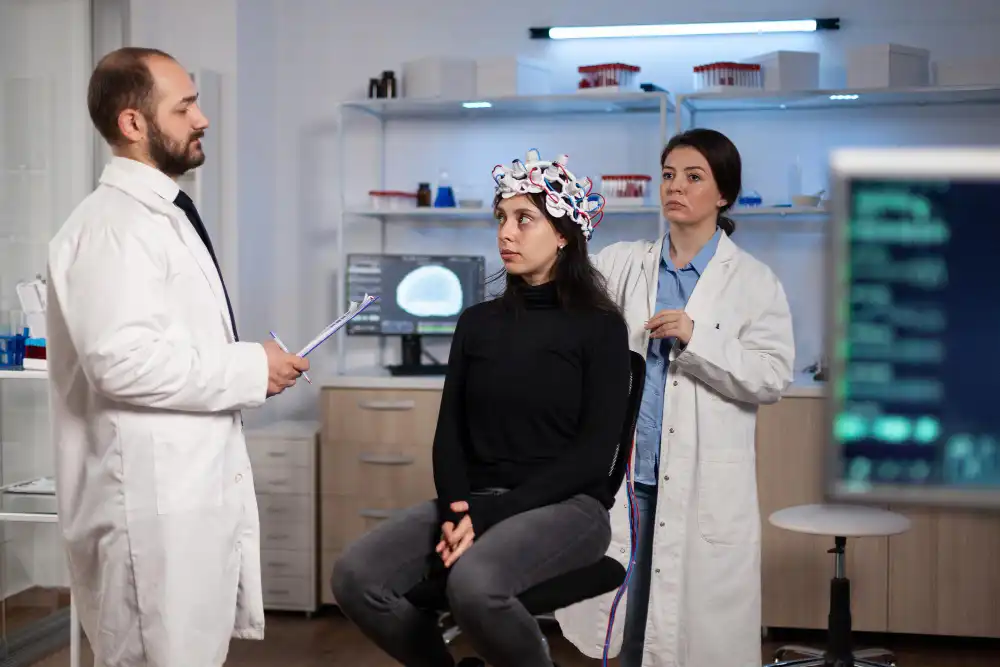
At Dr. HK’s Neuro and Parkinson’s Clinic, expert neurologists provide comprehensive risk assessment and personalized prevention plans. The clinic integrates nutritional guidance, physical therapy, cognitive training, and medical management to reduce modifiable risks, promoting brain health across the lifespan.
Final Takeaway
While aging is inevitable, dementia is not always a foregone conclusion. Adopting a healthy lifestyle, controlling medical conditions, and engaging in intellectually stimulating activities significantly reduce the likelihood of developing dementia.