Early Diagnosis Of Multiple Sclerosis Is Key: What Are Its First Symptoms?
By Dr. HK’s Neuro and Parkinson’s Clinic, Bangalore
Multiple Sclerosis (MS) is a chronic neurological disorder that affects the central nervous system, disrupting communication between the brain and body. Early diagnosis is crucial because timely treatment can slow disease progression, minimize disability, and improve quality of life.
What is Multiple Sclerosis?
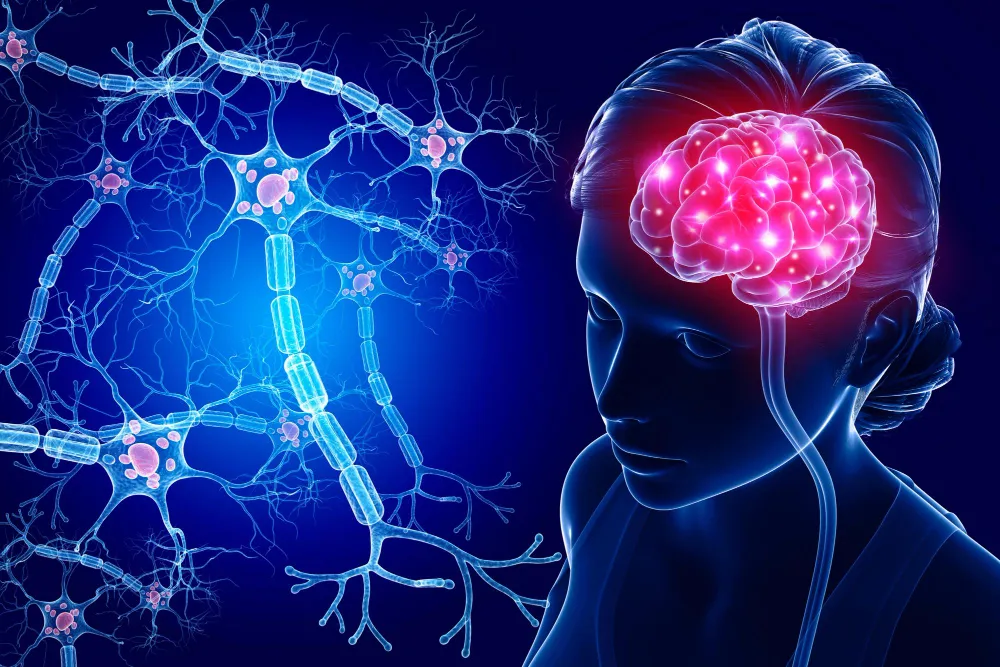
MS is an autoimmune disease where the immune system mistakenly attacks the protective myelin sheath covering nerve fibers, creating scar tissue or lesions in the brain and spinal cord. This damage slows or blocks nerve signals, causing a wide range of symptoms
First Symptoms to Watch For
MS symptoms vary widely, and no two people experience the disease exactly the same way. However, some early signs commonly indicate the onset of MS:
- Vision Problems:
Blurred or double vision, usually caused by optic neuritis (inflammation of the optic nerve), may also cause eye pain when moving the eyes. - Numbness and Tingling:
Sudden episodes of numbness or tingling in the limbs, face, or trunk are frequent early symptoms and often come and go. - Muscle Weakness and Spasms:
Weakness especially in the legs, stiffness, or painful muscle spasms (spasticity) can reduce mobility and balance. - Balance and Coordination Difficulties:
Dizziness, vertigo, or clumsiness may lead to coordination issues and a tendency to trip or fall. - Fatigue:
Overwhelming tiredness not related to exertion is a hallmark symptom that impacts daily life. - Bladder and Bowel Issues:
Problems like urgency, incontinence, or constipation may occur as the disease progresses. - Cognitive and Emotional Changes:
Difficulty concentrating, memory problems, depression, or anxiety can appear early and affect quality of life.
Why Early Diagnosis Matters
Early symptoms of MS can be vague and easily mistaken for other conditions. However, identifying MS early enables neurologists at Dr. HK’s Clinic to start disease-modifying therapies that reduce relapse frequency, delay progression, and lessen long-term disability. Advanced imaging like MRI and lumbar puncture help confirm the diagnosis alongside clinical symptoms.
Comprehensive Care Approach
At Dr. HK’s Neuro and Parkinson’s Clinic, patients benefit from expert neurological evaluation, advanced diagnostic tools, and individualized treatment plans. The clinic emphasizes multidisciplinary care involving neurologists, physiotherapists, and counselors to address physical, emotional, and cognitive challenges.
Final Thought
If any of these early symptoms are experienced, timely consultation with a neurologist is essential for evaluation and intervention. Early diagnosis and treatment are the keys to managing Multiple Sclerosis effectively.