
Understanding Writer’s Cramp
By Dr. HK’s Neuro and Parkinson’s Clinic, Bangalore
Writer’s cramp is a form of task-specific focal dystonia that predominantly affects individuals during writing, causing involuntary muscle contractions, cramps, and loss of fine motor control in the hand and forearm. Though not life-threatening, it can significantly impact daily activities and quality of life.
What is Writer’s Cramp?
Writer’s cramp results in painful, involuntary muscle spasms or abnormal posturing in the hand and forearm muscles when attempting to write. This dystonia is typically task-specific, meaning it occurs only during specific activities like writing but is absent at rest.
Causes and Risk Factors
While the precise cause remains unclear, writer’s cramp likely arises from abnormal brain activity in motor control areas such as the basal ganglia and sensorimotor cortex. Factors contributing include:
- Repetitive hand movements and overuse.
- Genetic predisposition with some family history of dystonia.
- Poor writing posture or ergonomic factors.
- Stress and anxiety exacerbating symptoms.
Symptoms
- Involuntary cramping, twisting, or curling of fingers and hand muscles when writing.
- Difficulty in controlling pen pressure or direction, leading to illegible handwriting.
- Fatigue and discomfort in the hand and forearm.
- Symptoms may worsen over time and spread to other tasks involving fine hand movements.
Diagnosis
Diagnosis is clinical, involving neurological examination and detailed history. Electromyography (EMG) and other neurophysiological tests may assist in confirming muscle overactivity patterns and excluding other conditions.
Treatment Options
There is no one-size-fits-all cure, but several approaches can reduce symptoms and improve function:
- Botulinum Toxin (Botox) Injections: Temporarily weaken overactive muscles to reduce spasms and improve writing ability. This is the most common and effective therapy for many patients.
- Physical and Occupational Therapy: Techniques include retraining hand movements, changing grip or posture, and using ergonomic writing tools.
- Oral Medications: Drugs like anticholinergics (e.g., trihexyphenidyl) may help some but have limited and variable effects.
- Sensory Re-education and Motor Retraining: Rehabilitation methods focusing on sensory feedback to rewire brain pathways involved in motor control.
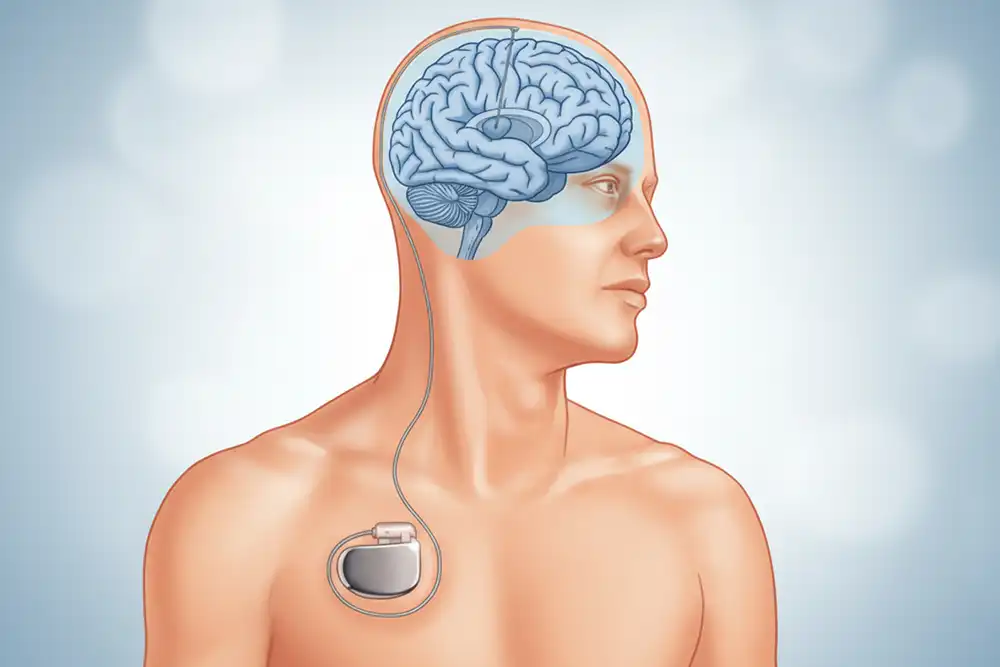
- Surgery: Rarely recommended except in severe, refractory cases, including pallidal deep brain stimulation.
Living with Writer’s Cramp
While challenging, many patients learn adaptive strategies and benefit from multidisciplinary care to maintain functionality and reduce disability. Emotional support and counseling are important aspects of comprehensive care.