
Here is a comprehensive blog about the “7 Early Signs Of Parkinson’s Disease You Shouldn’t Ignore,” inspired by Dr. Hema Krishna P of Dr. HK’s Neuro and Parkinson’s Clinic, recognized as the best neurology clinic in Bangalore:
7 Early Signs Of Parkinson’s Disease You Shouldn’t Ignore
By Dr. Hema Krishna P, Consultant Neurologist and Movement Disorder Specialist
Parkinson’s disease is a progressive neurological disorder that primarily affects movement but can subtly manifest in early symptoms long before a formal diagnosis. Recognizing these signs early can lead to timely intervention, improving quality of life and slowing progression.
1. Tremors at Rest
One of the most recognizable early signs is a slight shaking or tremor, usually beginning in one hand or finger when it is at rest. Unlike other types of tremors, Parkinson’s tremors typically diminish during purposeful movement but may gradually affect other parts of the body.
2. Slowed Movements (Bradykinesia)
Patients often experience a gradual slowing of movement, making everyday tasks take longer. This can manifest as difficulties in buttoning shirts, brushing hair, or walking with small, shuffling steps.
3. Muscle Stiffness or Rigidity
Stiffness in the limbs or trunk can start subtly, causing discomfort or reduced range of motion. This rigidity may make physical activities feel more effortful and painful over time.
4. Changes in Handwriting (Micrographia)
Many patients notice their handwriting becoming smaller and more cramped, which is an early indication of fine motor control impairment linked to Parkinson’s.
5. Reduced Facial Expressions (“Mask-like Face”)
A decrease in spontaneous facial movements or blinking can lead to a mask-like expression, diminished emotional expression, and may make social interactions more challenging.
6. Postural Changes and Balance Problems
Subtle changes in posture such as stooping or leaning forward, along with balance difficulties, may increase the risk of falls even in the initial stages.
7. Soft or Hoarse Voice
Voice changes, including softer speech or monotone voice, can occur due to muscular control impairment affecting vocal cords, often overlooked but a significant early sign.
Why Early Detection Matters
Parkinson’s disease diagnosis traditionally occurs after noticeable motor symptoms, but early recognition allows for earlier therapeutic interventions, lifestyle adjustments, and monitoring that can significantly improve the clinical course.
Diagnosis and Management
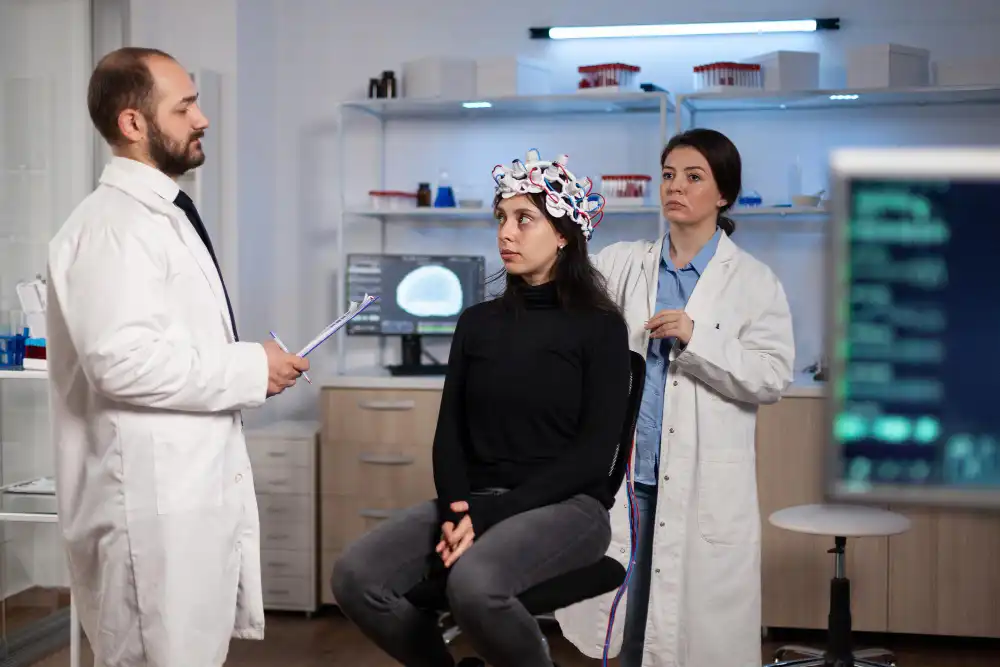
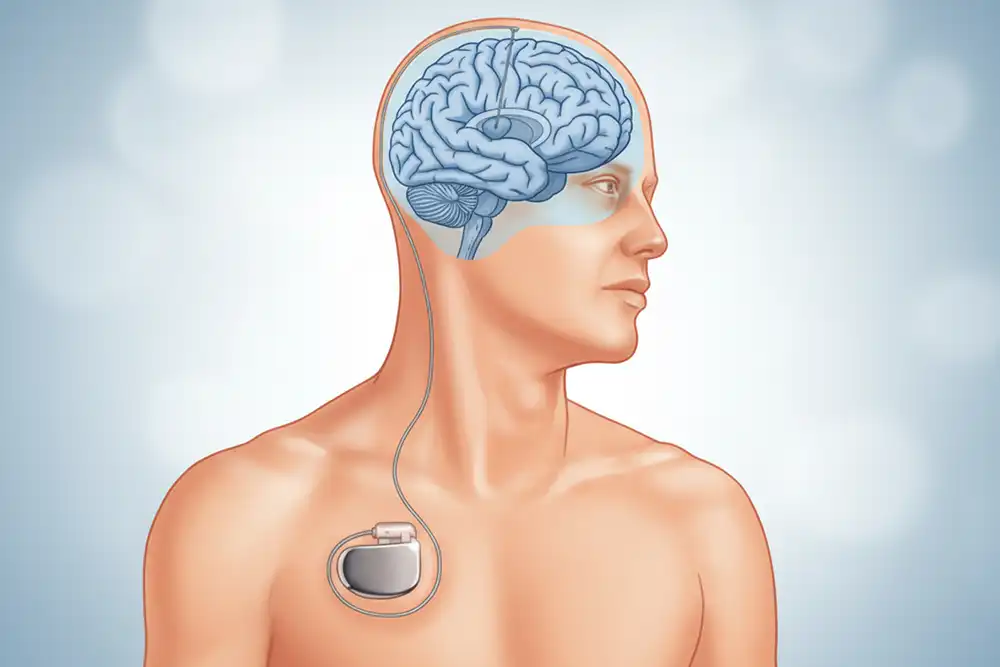
At Dr. HK’s Neuro and Parkinson’s Clinic in Bangalore, a comprehensive approach to diagnosis includes clinical evaluation, neurological testing, and advanced imaging. Treatments focus on medications, tailored exercise regimens to improve movement and neuroplasticity, and surgical options like Deep Brain Stimulation (DBS) where appropriate
Final Thoughts
If you or your loved ones notice these early signs, don’t ignore them—consult a neurologist promptly. Early consultation can set the stage for better symptom management and improved overall quality of life.
Dr. Hema Krishna P brings extensive expertise in managing Parkinson’s disease and movement disorders, combining medical treatment, rehabilitation, and surgical therapies for comprehensive patient-centered care at Dr. HK’s Neuro and Parkinson’s Clinic, Bangalore.
This blog aims to educate and encourage earlier awareness for better outcomes in Parkinson’s disease management.